
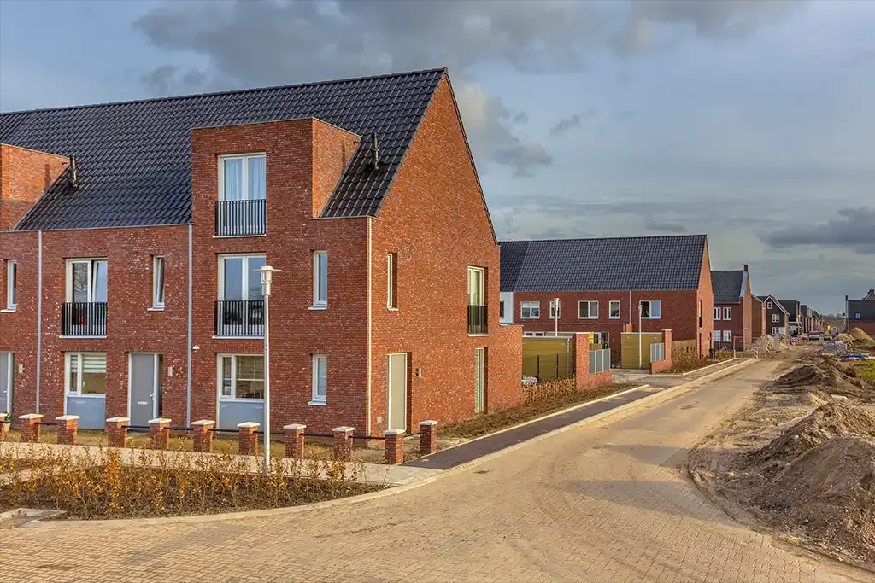
Buying a new build property can be an exciting opportunity for homebuyers in the UK. Brand-new homes often offer modern layouts, energy efficiency, and minimal maintenance compared with older properties. However, the legal process of purchasing a new build—known as conveyancing—can be more complex than buying an existing home.
From construction delays to mortgage issues, several factors can slow down the transaction. Understanding the common causes of delay and how to avoid them can help buyers navigate the process more smoothly.
What Is New Build Conveyancing?
New build conveyancing refers to the legal process involved when purchasing a newly constructed property from a developer. While the overall steps are similar to standard conveyancing—such as conducting property searches, reviewing contracts, and transferring ownership—there are additional considerations unique to new builds.
One key difference is that buyers often exchange contracts before the property is fully built. In many cases, developers require buyers to exchange within 28–30 days of reserving the property to secure funding for ongoing construction phases.
Because the property may still be under construction, completion could take months or even years after exchange, depending on the development timeline.
This structure introduces unique risks and potential delays that buyers need to understand.
Typical Timeline for New Build Conveyancing
The conveyancing timeline for new build properties varies depending on the stage of construction.
Typical scenarios include:
- Completed new build: around 8–14 weeks from instruction to completion.
- Nearly completed property: exchange in around 6–10 weeks, with completion shortly after the developer issues notice.
- Off-plan purchase: completion may take 6–24 months after exchange while the property is built.
Because of these extended timelines, several factors can disrupt the process.
Read More:A Seasonal Property Market Update for Families Buying in Sittingbourne
Common Delays in New Build Conveyancing
1. Construction Delays
One of the most common issues in new build transactions is delays in construction. Developers often provide estimated completion dates, but these can change due to:
- Poor weather conditions
- Labour shortages
- Supply chain disruptions
- Regulatory or planning delays
If construction takes longer than expected, the completion date may be pushed back. In many contracts, buyers must wait until the developer serves a “notice to complete” once the property is ready.
How to Avoid This Issue
- Ensure your contract includes a long-stop date—a deadline after which you can withdraw and reclaim your deposit if the property is not completed.
- Maintain regular communication with the developer and solicitor regarding progress.
2. Mortgage Offer Expiry
Mortgage offers typically remain valid for around six months. However, if a new build property is delayed beyond this period, the offer may expire before completion.
This situation can create additional delays because the buyer must:
- Reapply for a mortgage
- Provide updated financial documents
- Potentially accept new interest rates
Mortgage renewals can add weeks to the conveyancing timeline.
How to Avoid This Issue
- Inform your lender early if completion is likely to be delayed.
- Request a mortgage offer extension before the expiry date.
- Work with a mortgage adviser experienced in new build purchases.
3. Delays in Legal Paperwork
New build properties involve extensive legal documentation. Conveyancers must review several important documents, including:
- Planning permissions and building regulations
- Structural warranties (such as NHBC guarantees)
- Agreements for roads, utilities, and drainage
- Land registry titles and development plans
If any of these documents are incomplete or unclear, solicitors may raise additional enquiries with the developer’s legal team. This back-and-forth can delay the exchange of contracts.
How to Avoid This Issue
- Choose a solicitor experienced in new build conveyancing.
- Ensure the developer provides full documentation early in the process.
4. Slow Local Authority Searches
Property searches are a key part of the conveyancing process. These searches reveal important information about the property, such as:
- Planning restrictions
- Flood risk
- Environmental issues
- Road adoption status
In some areas, local authority searches can take several weeks, causing delays before exchange can take place.
How to Avoid This Issue
- Ask your solicitor whether personal searches (which are often faster) are acceptable to your lender.
- Instruct your solicitor as early as possible after reserving the property.
5. Planning and Infrastructure Issues
Large developments often include shared infrastructure such as roads, drainage systems, and communal areas. If these elements are not properly approved or documented, conveyancers may need additional assurances before proceeding.
For example, delays may arise if:
- Planning conditions have not been fully discharged
- Roads or sewers are not yet adopted by the local authority
- Access rights or parking arrangements are unclear
These site-related issues can add weeks or months to the conveyancing process.
How to Avoid This Issue
- Ensure the developer provides clear legal agreements for infrastructure.
- Your solicitor should confirm that planning obligations are satisfied.
6. Developer Solicitor Delays
Developers often sell multiple properties within the same development at the same time. As a result, their solicitors may be managing a large volume of transactions simultaneously.
If responses to enquiries are slow, it can delay the buyer’s solicitor from progressing the case.
How to Avoid This Issue
- Work with an experienced conveyancer who regularly chases updates.
- Keep the estate agent informed, as they can sometimes help move communication forward.
7. Complex Property Chains
Although new builds are often chain-free from the developer’s side, buyers may still be part of a chain involving the sale of another property.
If any transaction in the chain is delayed—for example due to mortgage approval, survey issues, or missing paperwork—the entire process may slow down.
Read More:Why Are Houses for Sale in St Johns Wood Considered Prime London Real Estate?
How to Avoid This Issue
- Try to minimise chain complexity if possible.
- Keep all parties informed about progress and expected timelines.
Practical Tips to Speed Up New Build Conveyancing
Although some delays are unavoidable, buyers can take proactive steps to reduce the risk of complications.
1. Choose a Specialist Conveyancer
New build transactions are more complex than standard property purchases. A solicitor experienced in this area will understand developer contracts, deadlines, and warranties.
2. Organise Finances Early
Have your mortgage agreement in principle, deposit, and identification documents ready before reserving a property.
3. Respond Quickly to Requests
Prompt responses to solicitor enquiries or lender requirements can prevent unnecessary delays.
4. Monitor Key Deadlines
Keep track of important dates such as:
- Mortgage expiry
- Exchange deadlines
- Long-stop completion dates
5. Maintain Regular Communication
Stay in contact with your solicitor, mortgage adviser, and developer to ensure progress is being made.
Final Thoughts
New build conveyancing offers the opportunity to purchase a modern, energy-efficient property, but the process can be more complex than buying an existing home. Construction delays, mortgage offer expiry, legal paperwork, and planning issues are among the most common obstacles that can slow down transactions.
By understanding these risks and working with experienced professionals, buyers can minimise delays and ensure a smoother path to completion. Preparation, clear communication, and careful review of contracts are key to successfully navigating the new build conveyancing process.