
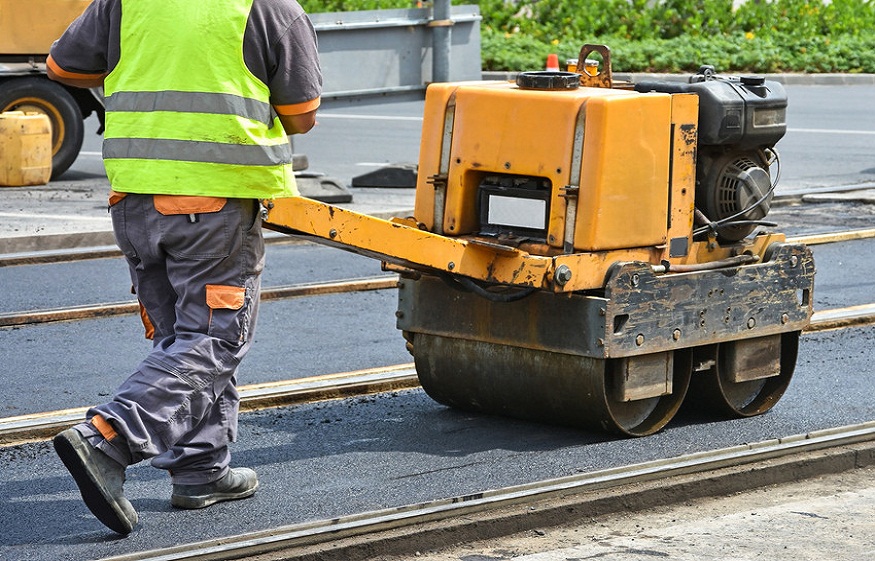
Understanding the World of Paving: A Deep Dive into Materials and Techniques
The Science Behind Asphalt and Concrete: Making Informed Choices
Paving is an integral aspect of construction and maintenance that impacts the function and aesthetic of various infrastructures. Among the most commonly used materials in paving are asphalt and concrete, each boasting distinct properties, advantages, and disadvantages. Asphalt, made from a mixture of aggregates and bitumen, is known for its flexibility and cost-effective installation. It allows for efficient repairs and adaptations, making it an excellent choice for roads and driveways. Its dark appearance not only absorbs heat facilitating snow and ice melting in colder climates but also provides a sleek appearance ideal for residential properties and commercial driveways alike. Its composition allows for less frequent repairs compared to concrete, but it may require resurfacing after a decade or so depending on the local climate and the quality of installation. On the other hand, concrete, composed of cement, sand, gravel, and water, is lauded for its strength and durability. When properly installed and maintained, concrete surfaces can last upwards of 30 years, making them a great long-term investment. Concrete is resilient to heat, which helps reduce softening during hot weather, and provides a light-colored surface that enhances visibility at night. However, it tends to be more prone to cracking under heavy loads or extreme temperature changes, necessitating meticulous attention to expansion joints and proper sealing. Understanding these materials allows property owners to make informed decisions when considering paving options. Assessing the intended use, load-bearing requirements, local climate conditions, and aesthetic preferences can guide the choice between asphalt and concrete, ensuring that the investment made aligns with both short-term and long-term needs.
Innovative Techniques in Paving: What’s Shaking Up the Industry
As technology progresses, the paving industry continually evolves. Innovative techniques are being developed that not only enhance construction efficiency but also focus on sustainability and longevity. One key advancement is the use of recycled materials in paving operations. Reclaimed asphalt pavement (RAP) and recycled concrete aggregate (RCA) are leading examples where up to 100% of paving materials can be repurposed, significantly reducing landfill waste and conserving natural resources. Another game-changing trend is the introduction of permeable paving systems. Unlike traditional impermeable surfaces that exacerbate flooding and runoff issues, porous paving solutions allow water to infiltrate the surface, replenishing groundwater and minimizing surface water pooling.
Read More : Pricing Precision and Buyer Psychology: The Advantage of Estate Agents in Ilford and Newbury park
These materials are increasingly developed to withstand the rigors of vehicular traffic while simultaneously providing ecological benefits. Moreover, technology like 3D paving systems and laser-guided paving equipment are optimizing the precision of paving applications. These systems ensure that every layer is installed at the exact thickness and density required, enhancing both durability and performance while reducing the likelihood of costly repairs down the line. These innovative techniques not only bridge the gap between efficiency and sustainability but also promote an environment of adaptability within the paving industry ultimately benefitting contractors and property owners alike.
Eco-Friendly Paving Solutions: Sustainability Meets Durability
In recent years, paving contractors have faced increasing pressure to adopt eco-friendly practices while ensuring that the quality of their work meets industry standards. The rise of sustainable paving solutions is a response to this demand, blending functionality with environmental responsibility. One of the most promising developments is the use of warm mix asphalt (WMA). Unlike traditional hot mix asphalt, WMA is produced at significantly lower temperatures, which leads to reduced energy consumption and lower greenhouse gas emissions. This also allows for a longer working time during installation, ultimately enabling high-quality craftsmanship without compromising on resilience. In addition to recycled materials, the development of bio-based binders and additives presents a novel solution. These alternatives are derived from renewable sources and serve to enhance the adhesion and performance of asphalt and concrete. For example, using plant-derived substances can provide superior elasticity and resistance to cracking, significantly extending the lifespan of paved surfaces. Moreover, addressing the impact of heat islands in urban areas through green materials and designs, cities are increasingly incorporating vegetation into their paving plans. Green roofs, bioswales, and urban vegetation can be integrated into paved environments to promote biodiversity, improve air quality, and mitigate urban flooding benefiting not just individual properties but community health overall. By proactively embracing these eco-friendly paving solutions, contractors contribute to a more sustainable future while providing clients with durable, high-quality outdoor surfaces that can stand the test of time.
Choosing the Right Paving Contractor: Red Flags and Green Lights
What Credentials Should You Look For? Decoding Contractor Certifications
Selecting the right paving contractor is critical to your project’s success, and understanding what credentials to look for can significantly streamline this process. When evaluating potential contractors, first and foremost, ensure they are licensed and insured. A valid license is a key indicator that the contractor has met local or state requirements and adheres to industry standards. Furthermore, consider looking for contractors with certifications from recognized organizations such as the National Asphalt Pavement Association (NAPA) or the American Concrete Institute (ACI). These accreditations demonstrate that the contractor not only understands the technical aspects of paving but also commits to continuous education and best practices in the industry. Additionally, a contractor with experience in your specific type of paving project whether it’s residential, commercial, or specialty work like permeable pavement or decorative surfaces can provide insights that less experienced contractors may lack. Be cautious of contractors who cannot provide a portfolio of completed projects as this may indicate a lack of proficiency or expertise. Ultimately, the right contractor should have a blend of relevant credentials, certifications, and experience tailored to meet the specific requirements of your paving project, ensuring quality workmanship and satisfactory results.
Customer Reviews and Testimonials: The Hidden Gems in Your Search
Customer reviews and testimonials can be a goldmine of valuable information when selecting a paving contractor. In an age where transparency and honest feedback are highly valued, prospective clients can easily glean insights into a contractor’s reliability, work quality, and customer service. Platforms like Google, Yelp, and Angie’s List serve as accessible venues for contractors to showcase genuine feedback from previous clients. Pay close attention to reviews that discuss the timeliness of the project, communication during the process, and the quality of the finished work. Consistently positive reviews may indicate a contractor’s commitment to customer satisfaction. However, do not shy away from scrutinizing negative reviews as well. Look for patterns; if multiple customers mention delays or unsatisfactory communication, it might be a red flag. It is also beneficial to reach out directly to contacts who have shared reviews, whenever possible. This offers an opportunity to ask questions and clarify any inconsistencies in the testimonials. Remember, a contractor’s reputation can give you considerable insight into the potential experience you can expect. Leveraging customer reviews effectively can empower you to make a well-informed decision.
Questions to Ask Before Hiring: Ensuring Quality and Reliability
Before making a final decision on a paving contractor, having a well-prepared list of questions can illuminate any remaining uncertainties and clarify essential aspects of the project. Start by inquiring about their project management strategies. A reputable contractor should provide a detailed plan that outlines milestones, timelines, and methods for communication throughout the paving process. Additionally, ask about their approach to quality assurance; understanding how they ensure standards are met provides confidence in their workmanship. It’s also wise to request references from past clients who have projects similar to yours, allowing you to confirm the contractor’s capability to meet your specific needs. Another crucial query revolves around warranty policies. A contractor who stands behind their work should offer a comprehensive warranty that covers both materials and installation. This protects your investment and assures you that they are committed to rectifying any issues that might arise post-installation. Lastly, don’t hesitate to discuss payment plans and any potential additional costs that could arise during the project. Clarifying these financial aspects upfront can help prevent misunderstandings and ensure a smoother transaction. Asking the right questions equips property owners with the insights necessary to make an informed, confident decision regarding their paving contractor.
Cost Factors in Paving Projects: Breaking Down the Budget
Understanding the Estimate: What’s Included and What’s Not
Navigating the world of paving project costs requires an understanding of what goes into an estimate. When a contractor provides their estimate, it should be comprehensive, detailing not only the costs of materials and labor but also any additional services like site preparation, excavation, and sealing. It is essential to dissect every component of the estimated cost to avoid surprises down the line. For instance, asphalt and concrete materials vary in price depending on the region, supplier rates, and quality. Labor costs can also fluctuate based on the contractor’s experience, the complexity of the job, and the timeline for completion. Ask whether the estimate includes preparatory work, such as land grading or the removal of existing pavement, which can significantly impact the overall project cost. Furthermore, it’s important to inquire about after-service arrangements, such as sealing, which can prolong the life of your new pavement but may not be included in the initial estimate. Ultimately, a well-structured estimate not only sets realistic expectations for the budget but also aids in ensuring that no critical elements have been overlooked.
The Impact of Geography on Pricing: Why Location Matters
Geographical factors play a crucial role in determining paving project costs. For instance, urban areas like Fort Worth typically have higher labor costs due to prevailing wages and increased demand for skilled labor. Additionally, the proximity to material suppliers can influence material costs as transportation expenses can drive prices up if sourcing materials from a distant supplier. Moreover, localized regulations and standards for paving can also affect pricing. Areas with stringent environmental guidelines may require the use of specific materials or techniques that can lead to higher overall costs. Climate considerations further add layers of complexity; in regions that experience extreme temperature variations, special materials and processes that enhance durability might be necessary, resulting in increased expenses. Understanding the geographical context of your paving project can provide a clearer perspective on why estimates may differ among contractors and help you set realistic expectations for your budget.
Long-term Investment vs. Short-term Savings: Weighing Your Options
When considering a paving project, property owners often grapple with the dilemma of pursuing the most affordable options versus investing in higher-quality materials and craftsmanship. While it might be tempting to opt for the cheapest price, it’s essential to scrutinize the potential long-term costs associated with lower-quality work. Inadequately installed surfaces may require more frequent repairs, leading to higher expenditures over time. Conversely, investing in quality materials and skilled labor can yield a robust surface that withstands wear and tear, ultimately saving money on upkeep and replacements in the future. For example, choosing a high-grade asphalt or a more durable concrete mix, despite the higher initial investment, can translate to significant savings by extending the lifespan of the pavement and reducing maintenance needs. Additionally, quality workmanship frequently comes with longer warranties, adding peace of mind in the investment made. Weighing long-term benefits against short-term savings can help property owners make prudent decisions that align with their financial goals and paving needs.
Maintenance Matters: Keeping Your Pavement Pristine
Seasonal Care Tips: Preparing Your Pavement for Year-Round Performance
Proper maintenance is vital for extending the life of your paved surfaces. Seasonal changes can take a toll on asphalt and concrete, making it essential for property owners to adjust their maintenance routines accordingly. During the warmer months, regular cleaning to remove debris, such as leaves and dust, can prevent staining and the accumulation of moisture-leading to deterioration. Sealcoating is also advised every 1-3 years for asphalt surfaces to protect against UV rays, oxidation, and chemical spills that can erode the material. As temperatures begin to cool, ensuring proper drainage is crucial to prevent water from freezing and cracking the surface. Maintaining adequate gutters, downspouts, and drainage systems will minimize pooling and subsequent freeze-thaw cycles that are detrimental to pavement integrity. In winter, snow and ice management are crucial; the use of plastic shovels is preferable to metal ones, which can chip the surface. Opting for environmentally friendly de-icers can prevent corrosion and minimize damage. In the spring, conducting a thorough inspection of any cracks or surface wear can help identify problems before they escalate. Regular maintenance not only preserves the appearance of your pavement but significantly extends its lifespan, ultimately safeguarding your investment.
Common Issues and How to Spot Them Early: Don’t Let Small Problems Worsen
Being proactive about maintenance involves gaining knowledge about common paving issues and understanding how to identify them early. Cracking is one of the most prevalent problems faced by both asphalt and concrete surfaces. It can occur from several factors including excessive load, poor drainage, or simply age. For asphalt, small surface cracks may indicate the need for sealcoating, while larger, more severe cracks often require patching before they worsen.
Read More : Water Softener Basics: Why Hard Water Needs Treatment in Your Home
In concrete, surface spalling where small pieces of concrete flake away can signal moisture infiltration often exacerbated by poor installation. Another concern is the development of potholes, which result from the erosion of the underlying material. Potholes can be not only inconvenient but also hazardous. Early detection often involves addressing surrounding roadway conditions, ensuring that water does not pool, and evaluating load patterns. By being aware of these common issues, property owners can act swiftly to manage them, allowing for minor repairs rather than extensive and costly restorations.
The Value of Professional Inspections: When to Call in the Experts
Seeking professional inspections can be a game-changer in maintaining the integrity of your pavement. While regular cleaning and minor repairs are manageable for many property owners, professionals offer expertise that can uncover underlying issues invisible to the untrained eye. Hiring a qualified paving contractor for periodic inspections allows for the identification of problematic areas and the implementation of necessary repairs before they escalate. Professionals can evaluate the drainage systems, assess asphalt or concrete condition, and provide insights on the optimal timing for resealing or resurfacing. Additionally, having a professional perform a routine assessment ensures adherence to maintenance standards, potentially prolonging the life of your pavement. Furthermore, professionals often provide recommendations tailored to your particular conditions such as climate, load-bearing needs, or expected use. In summary, investing in a professional paving inspection can prevent minor issues from evolving into costly repairs and extend your pavement’s longevity, optimizing your overall investment. With expert knowledge and insights on paving contractors in Fort Worth, property owners are now equipped with a comprehensive understanding of materials, costs, maintenance, and the key elements necessary to make informed decisions for lasting quality and reliability in their paving projects.